
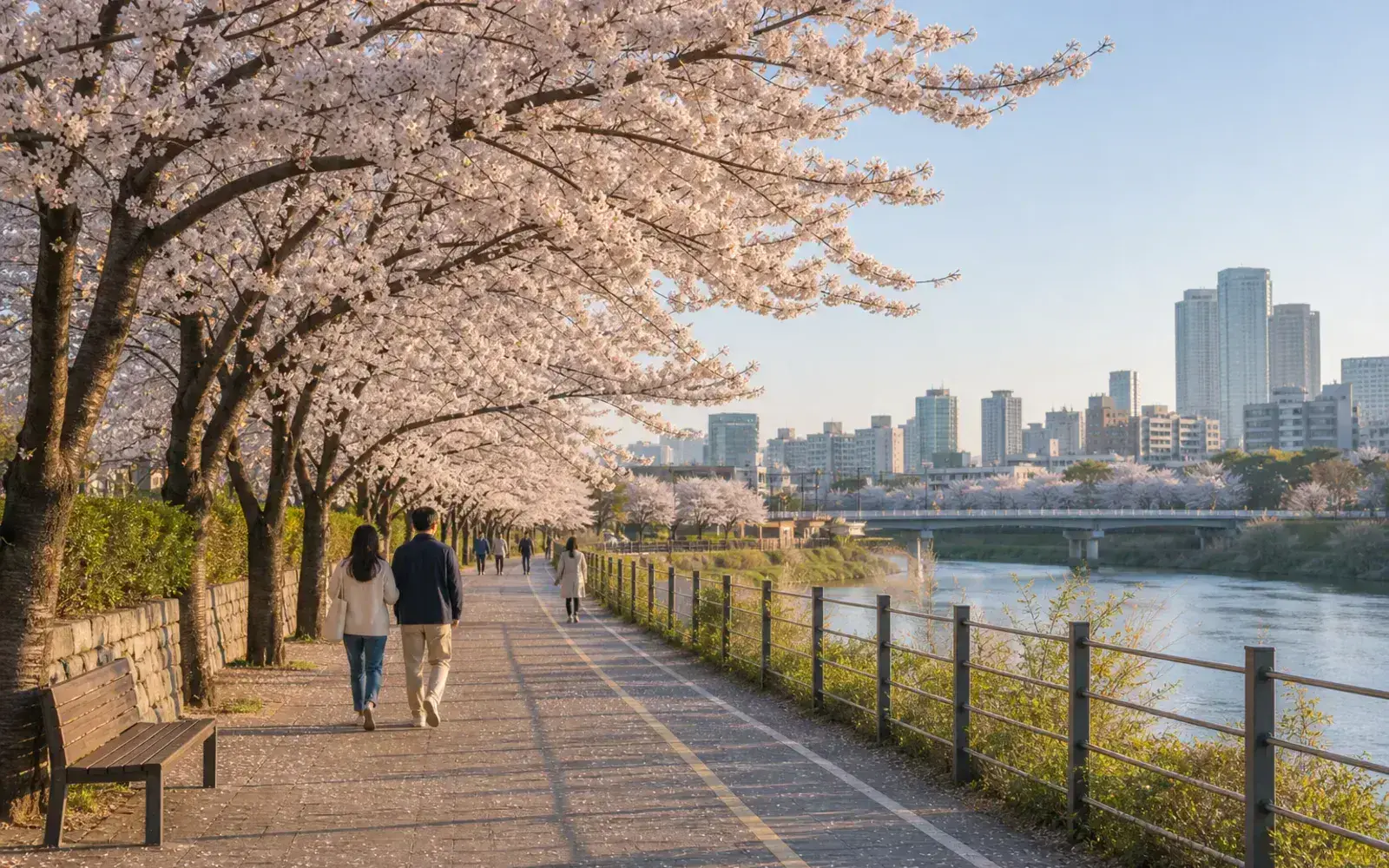
Quick take: How to plan a blossom day with better timing, easier transport, and backup ideas when the most famous spots are packed.
How to Decide If It Is Worth Your Time
This guide is for visitors planning a spring trip. It focuses on events that are realistic to join from Korea. The best event is not always the biggest one. It is the one with clear entry rules, manageable transport, and enough nearby options if the timing changes.
The useful anchor here is spring blossom plans that leave room for weather, crowds, and changing bloom timing. If that matches your day, the event can add energy without taking over the whole schedule. If it does not match, save it for another weekend instead of forcing the route.
- Best timing: weekday mornings, cloudy bright days, or early evening when crowds thin slightly.
- Budget range: Mostly free.
- Who it suits: Spring visits.
Where to Check Details
Before leaving, check current bloom status, rain forecast, restroom access, and how to exit if crowds build. Events change more often than normal attractions: dates shift, queues close early, outdoor programs cancel for weather, and ticket pages can sell out before a listing is updated elsewhere.
Use the official venue, organizer, or ticket page as the final source. Social posts are useful for discovery, but they are not enough when you need a time, address, entry rule, or cancellation notice.
Timing, Tickets, and Crowds
For this topic, the safest planning window is weekday mornings, cloudy bright days, or early evening when crowds thin slightly. If the event is free, arrive earlier than you think. Free entry often means more people, less structure, and a higher chance that the best time slots or seats disappear first.
If the event is paid, check whether the ticket is timed, whether re-entry is allowed, and whether the name on the booking needs to match ID. Those small rules are easy to miss, especially when a page mixes Korean and English information.
Make the Route Easy
A clean route starts with this: choose one blossom area and combine it with a nearby cafe or riverside walk. Do not plan an event as if it exists alone. You still need food, restrooms, transit home, and a plan for what to do if the event is shorter or longer than expected.
Check the nearest subway exit and the walking route after dark. Outdoor events can end at a different point from where you entered, and some parks or market areas feel simple on arrival but confusing when everyone leaves at once.
- Save the venue address and nearest station exit.
- Check the final entry time, not only the closing time.
- Pick a nearby meal option before the event starts.
What to Avoid
The main thing to avoid is making one famous blossom spot the only plan for the day. Event listings can look exciting, but a weak listing with no current details is not worth a long transfer. If you cannot confirm the basics, treat it as optional.
Also avoid stacking too many timed plans on the same day. One delayed queue can push back dinner, transport, and the next reservation. Keep the rest of the schedule loose unless the event is the main reason you are going out.
Nearby Backup
A good backup for this plan is simple. Save a quieter neighborhood street or indoor spring exhibition nearby. The backup should be in the same district or on the same subway line, so switching plans does not turn into another long research session on the street.
For outdoor events, choose one indoor backup. For pop-ups and exhibitions, choose one no-reservation backup. That balance keeps the day useful even if the main event is full, delayed, or less interesting than expected.
How to Work This Into Your Schedule
Use this article as a planning tool, not as a rigid script. Start with the reason you opened it: spring blossom plans that leave room for weather, crowds, and changing bloom timing. Then decide whether the day you have in Korea actually supports that plan. Time, weather, bags, group size, and hunger matter more than a perfect-looking itinerary.
If you are deciding between several options, choose the one that keeps the next step simple. For this topic, that means following this route idea: choose one blossom area and combine it with a nearby cafe or riverside walk. The more naturally it connects with your hotel, meal plan, and evening route, the more likely it is to feel useful in real life.
- Use it when: weekday mornings, cloudy bright days, or early evening when crowds thin slightly.
- Check first: current bloom status, rain forecast, restroom access, and how to exit if crowds build.
- Backup plan: Save a quieter neighborhood street or indoor spring exhibition nearby.
If You Only Have One Time Slot
When time is tight, reduce the plan instead of rushing it. For visitors planning a spring trip, the useful version is the one that solves the main need without adding a fragile detour.
Handle the main task first, confirm the detail that can change, and keep one backup within Korea. Do not spend half the available time crossing the city for a small improvement.
How to Use Extra Time Along the Same Route
With extra time, add depth rather than distance. Stay on the same route, sit down for a proper break, compare a second nearby option, or add a quiet stop before moving on. This makes the day feel more local and less like a checklist.
For this guide, extra time is best spent close to the same backup plan. Save a quieter neighborhood street or indoor spring exhibition nearby. That kind of nearby add-on keeps the plan flexible and gives you a softer landing if the main stop is busier, shorter, or more tiring than expected.
When This Event Fits Your Schedule
A plan fits when the cost, route, and effort all feel proportional. Cost note: the plan is mostly free. The area is Korea, and the best fit is visitors planning a spring trip. If those three details match your day, the guide is probably worth keeping.
A plan does not fit when you are forcing it around the problem it should be solving. If the main risk is making one famous blossom spot the only plan for the day, and your current day makes that risk likely, choose the backup instead. Korea is easier to enjoy when you let plans breathe.
Official Pages to Keep Open
Use KoriPicks for the practical route and decision-making, then use these official pages for the final check on dates, prices, access, tickets, transport, or closures.
Good Guides to Pair With This
These guides connect naturally with the same route, budget, timing, or first-time visitor questions, so they are useful when you are building a full day instead of reading one page in isolation.
Questions to Check Before You Join
Is this events guide worth planning around today?
Yes, if the main goal matches your day: spring blossom plans that leave room for weather, crowds, and changing bloom timing. It is less useful when it creates extra transfers, unclear timing, or pressure to rush through a plan that should feel simple.
What should I check before leaving?
Check current bloom status, rain forecast, restroom access, and how to exit if crowds build. If any of those details are unclear, treat the plan as flexible and keep one nearby option ready before you start moving.
What is a good backup if the plan changes?
Save a quieter neighborhood street or indoor spring exhibition nearby. A backup works best when it stays in the same district or on the same subway line, because switching plans should not require starting the day over.