
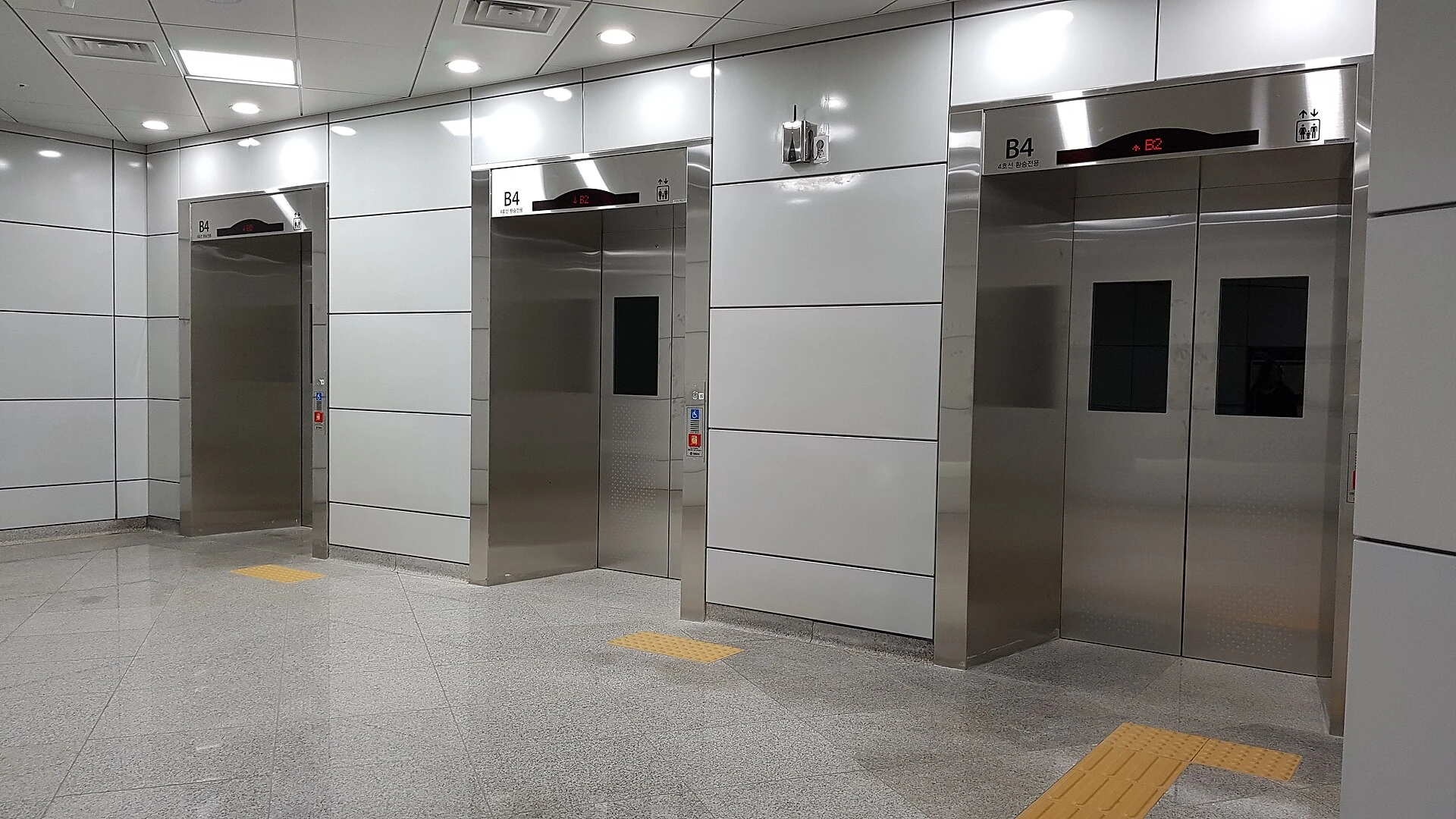
A stroller-friendly metro trip needs more than an elevator symbol beside the station name. You need a usable route from the street to the concourse, through the gates, to the correct platform and back out at the destination. A transfer can introduce another set of lifts and corridors between those two ends.
This guide is for practical family journey planning. It does not certify a station, provide a measured walking route or promise that an elevator will be operating when you arrive. Official facility information was reviewed on October 17, 2026; current station notices and staff instructions still control access.
Draw the journey as four connected pieces
| Piece | What to establish | A question worth asking |
|---|---|---|
| Street to concourse | The actual street-level lift entrance and the public route to it. | Does the suggested station exit have a lift, or is the lift elsewhere? |
| Concourse to platform | The gates and lift serving the line and direction you need. | Does this lift lead to the right platform? |
| Transfer | The continuous path between lines without an unsuitable stair segment. | Is the transfer route usable with this stroller and luggage? |
| Exit to destination | The street exit and final entrance to the venue. | Does the last approach include steps, a slope or a different building entrance? |
Write these pieces down for an unfamiliar interchange instead of keeping only a screenshot of the train line. A route can be fine at the first station and unsuitable at the destination exit. The final hundred meters, whatever its actual length, still belongs in the plan.
Use official facilities as evidence, not a universal promise
Seoul’s subway accessibility table lists elevators and other facilities by station. For example, its Ichon Station row lists five elevators. This establishes that lifts are included in that published facility record; it does not identify five street entrances or certify the particular route you intend to follow.
Large station names can appear in more than one line’s table. Do not add or compare counts without understanding the operator and line context. A wheelchair lift, an escalator and a passenger elevator are also different facilities. A count in one column is not permission to use another device in a way it was not designed for.
The city’s accessibility-service information describes digital support for navigating station facilities. Use the current official station map and any available operating notice to place the lift in the actual journey. Static information cannot establish today’s maintenance status.
Choose a route by effort as well as estimated time
A journey with one more train stop but no complicated interchange can be easier than a nominally faster option involving several transfers. Compare the complete station route, the number of lifts, the final walk and the likelihood that your party can manage an unexpected interruption.
For each transfer, inspect whether you remain within the paid area, whether a different platform is needed and what route serves it. A tiny color change in a map can hide a substantial internal journey. Do not assume the route drawn for a walking passenger is the route appropriate for a stroller.
Allow space around timed reservations. Reaching a museum’s nearest station is not the same thing as arriving at the ticket entrance. If the activity has a strict entry time, give the station-to-venue segment its own margin rather than using the app’s train-arrival time as your booking arrival.
A useful Ichon planning example
A family considering the National Museum of Korea can use the existing focused museum visit plan to decide what to see, then investigate the Ichon station approach separately. The city’s facility table provides a starting point because it records lifts at Ichon.
The next step is to locate the street and platform lift route for the line and direction actually used. Confirm the museum’s current visitor entrance and any designated stroller arrangements. This article does not turn the facility count into an invented exact exit or claim that every proposed underground passage is continuously step-free.
At a different hotel or on another line, another arrival plan may be more appropriate. Use the example to understand the research sequence, not as a requirement that every family cross Seoul by the same route.
Three Korean questions for the actual station
| Korean wording | Meaning |
|---|---|
| 유모차가 있습니다. 이 승강장까지 계단 없이 엘리베이터로 갈 수 있나요? | I have a stroller. Can I reach this platform by elevator without using stairs? |
| 이 엘리베이터는 지금 운행 중인가요? | Is this elevator operating now? |
| 계단을 이용하지 않고 갈 수 있는 다른 출구가 있나요? | Is there another exit I can reach without using stairs? |
Show the correct line, direction and destination when asking; “the platform” needs that context at an interchange. If staff suggest a different exit, check the public street route from that exit to the venue before leaving the station.
For the Ichon museum example, there is a separate destination-side benefit: the National Museum of Korea’s visitor page lists free wheelchairs and strollers in the Great Hall, with strollers for children up to 15 kg. It also lists coat storage west of the main gate and lockers near the museum shop and Children’s Museum. Confirm availability when needed. Those are museum services, rather than evidence that a proposed Ichon exit is continuously step-free.
Before leaving the accommodation
- Know the stroller’s folded size and how it is folded if an appropriate alternative requires it.
- Keep the child’s immediate needs and the transit card accessible without unpacking the whole bag.
- Separate an adult’s ticket/card from objects that could confuse a reader.
- Save the destination’s actual address and any entrance instruction outside the live map session.
- Choose a realistic alternative if an essential lift is unavailable.
The backup should fit the child, stroller and luggage. “Take a taxi” is not a complete answer unless the vehicle and child-restraint arrangement are appropriate. Similarly, carrying a loaded or occupied stroller on a staircase is not a sensible default plan simply because the next lift is inconvenient.
At the station, make the safe route the easy route
Approach the correct lift entrance without blocking tactile paving or the movement of other passengers. Let people exit the lift before entering. Share the space considerately with wheelchair users and others who need it, and follow the lift’s stated capacity and use instructions.
Use a suitable wide gate or ask staff for the correct access arrangement when the ordinary gate is difficult. Keep the child, stroller and accompanying adult together through the process. Do not improvise a route through a restricted staff area or an emergency exit.
On the platform, remain behind the safety boundary and keep the stroller controlled. Wait for a manageable boarding opportunity rather than trying to squeeze into a crowded doorway. Follow staff instructions and the train’s safety notices; avoid placing the stroller where it blocks an exit or circulation space.
A lift may require a small detour from the route followed by most walking passengers. That detour is preferable to treating an escalator as an equivalent access solution for an occupied stroller. If the route is unclear, ask before starting down the wrong corridor.
When the essential lift is closed
Stop at a place where the party can wait safely and ask station staff what route is available now. Explain the stroller and any luggage, not just the name of the destination. A suggested alternative exit needs to connect to a suitable public street route as well as the station interior.
Recheck the whole trip if the change sends you to another station or line. It might alter the final walk, the booking arrival time or the route home. Do not accept an unexamined extra transfer simply because the app produces a new fastest result.
If a safe, manageable alternative is not available, change the outing. A family day can be shortened to one venue or moved to another day. Preserving a prepaid plan is not a reason to force an unsuitable access route.
Keep the venue check separate
An accessible station does not establish the café, museum or attraction’s entrance arrangements. Ask about the actual public entrance, lifts between floors, stroller storage, busy-event restrictions and any spaces the stroller cannot enter. A venue’s general address is not an access confirmation.
For background on ordinary train direction and ticket-gate mistakes, use the subway visitor guide. Pair that information with the station’s current facility record and your family’s needs, rather than relying on a single “accessible” label to describe the entire day.