
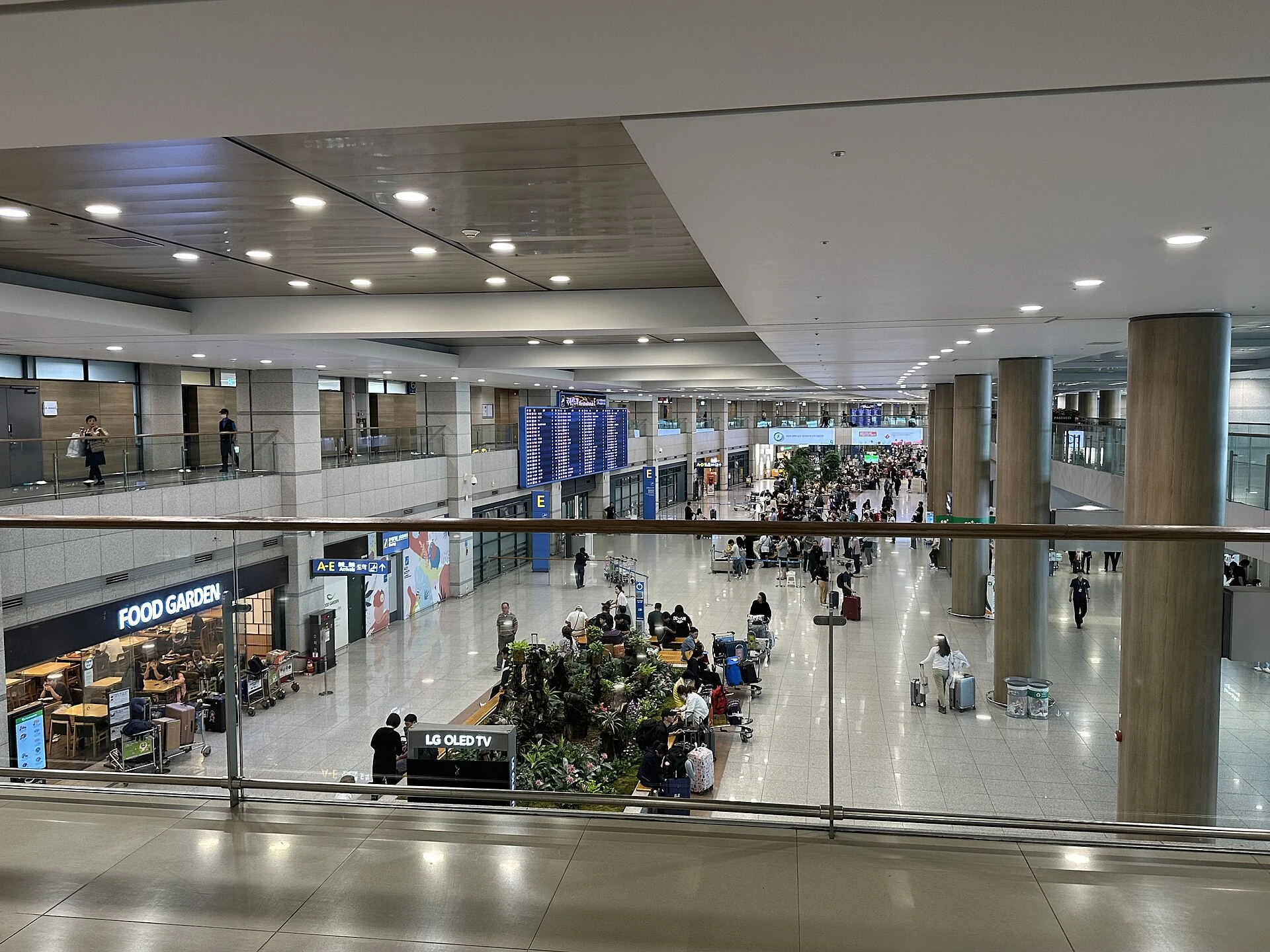
The best first contact depends on where the item was last seen. A bag left in a taxi may be traceable from the trip receipt; a wallet left at an airport terminal has a different handling route from baggage missing from a flight. Begin with the operator that can identify the actual vehicle or place, then use the national police service when appropriate.
One important update: the former LOST 112 service is now part of Police Civil Service 24, 경찰민원24. The government describes the integrated portal as launched on January 26, 2026. This guide was checked October 17, 2026 and does not promise that an item has been found or that a particular report will secure recovery.
First decide whether this is a loss or an urgent safety problem
If a person is threatening you, a theft is in progress or there is another immediate police emergency, use 112. Visit Seoul’s safety guidance identifies 112 for police help and reporting crime. Routine property searches are a different task; an administrative inquiry line is not a substitute for emergency assistance.
If you discover that a bank card, account-access device or passport is missing, consider the separate protective steps as well as recovery. Contact the card issuer through its official channel when a card must be secured. For a passport, contact the relevant embassy or consulate about its current replacement requirements. Do not wait for a search result before dealing with an immediate account or identity risk.
Build a record that somebody can act on
- Item type, brand if known, color, approximate size and distinctive marks.
- The last confirmed location and time, with the Korean place or station name if available.
- Vehicle, train, bus route, taxi receipt or booking reference where relevant.
- A private identifying detail that helps prove ownership without publishing everything publicly.
- A working contact method and the time you are leaving the city or country.
A photograph of the item can help, but avoid publishing passport numbers, full card numbers, device unlock codes or other private information in an open search. Keep proof of ownership for the actual custodian’s verification process.
Separate what you know from what you suspect. “I used it in the station café at 14:00” is stronger information than a guessed list of every place visited all day. Update the record if a receipt, photo or companion confirms a better last location.
Choose the first route by context
| Where it may have been left | First useful contact | Information to prepare |
|---|---|---|
| Metro station or train | Station staff or the relevant rail operator. | Line, direction, station, approximate time and carriage if known. |
| Taxi | The booked service or operator identified from the receipt. | Trip record, vehicle details, payment time and pickup/drop-off. |
| Airport terminal | The correct terminal’s lost-and-found office. | Terminal, public/security area, time and exact place. |
| Aircraft or missing checked baggage | The airline or baggage-handling channel for that flight. | Flight, date, baggage tag and arrival information. |
| Uncertain location or later national search | Police Civil Service 24 or a police station as appropriate. | Item description, date range, area and ownership information. |
Metro and railway losses: identify the journey
If you realize the problem immediately, tell station staff while the journey details are fresh. Record the line or service, travel direction, station where you boarded and got off, and approximate time. A carriage number or train number can be useful when you genuinely know it; do not invent one to make the report look complete.
A railway operator, metro operator and a shop inside a station can have separate handling responsibilities. If the item was left on a café table rather than on a train, contact that business as well. The station name alone may not identify the custodian.
Ask where found property from that service is handled and how to follow up. Do not assume every station keeps every item or that a transfer to police occurs on the same timetable for every operator. Follow the current operator’s instructions and keep any reference number.
Taxi losses: use the receipt or app record
Open the trip record or receipt and identify the service, date, time and vehicle information it provides. Use the booked app’s support route or the actual taxi operator’s contact information. Do not send personal documents to an unrelated number found in a search result.
If you do not have a receipt, your pickup/drop-off times, approximate route and payment record may still help explain the event. A pending bank entry alone may not identify the vehicle precisely. Ask the service what information it can use rather than assuming the issuer can instantly locate a particular taxi.
Seoul’s official taxi guide points to 120 for taxi-service inquiries and complaints. Check language-service hours and distinguish that assistance from the custodian’s actual property collection process.
Incheon Airport: use the right terminal and responsibility
The airport’s official lost-and-found page publishes separate terminal contacts. When checked, it listed Terminal 1 at 032-741-3110/3114 and Terminal 2 at 032-741-8988/8989, with 07:00–21:30 operation for the offices. From abroad, use the appropriate international dialing format, replacing the leading domestic 0 with Korea’s+82 country code.
The page distinguishes terminal lost property from in-flight items and baggage handled by airlines. An airport office is not the automatic custodian of an item left on the aircraft, and a missing checked suitcase needs the airline’s baggage process. Contact the airline promptly with the flight and baggage-tag information.
For a terminal loss, state whether the item was in a public area or a controlled area and give the best known location. Read the office’s current collection, identity and storage instructions before making a separate airport trip. Do not assume it will ship an item abroad or hold every category indefinitely.
Use the current national portal, not only an old LOST 112 bookmark
The current police homepage has a lost-property section, 유실물 민원, with separate choices for reporting a loss, 분실물 신고, and searching found items, 습득물 검색. Those are different functions: searching existing records does not by itself file a loss report.
Seoul’s autonomous-police information directs people to Police Civil Service 24, and the government’s October 2026 explanation describes the integration of the former service. The police portal currently publishes 182 as a paid administrative inquiry line, weekdays 09:00–18:00. That is not the 112 emergency number.
Some filing steps can require authentication. If your available identity method cannot complete the process, ask the police or relevant custodian for an appropriate in-person route. Do not use another person’s identity or send a password to a stranger offering to file on your behalf.
Be cautious if an unsolicited message claims to have the item but asks for unrelated identity information or an unexplained payment. Verify the custodian through the official contact already recorded, not a new link supplied by the message. A photograph resembling your bag does not establish that the sender is the institution handling the report.
Collection is another step after a match
Confirm the custodian and its official contact details before traveling or sending documents. Ask what proof is needed, where and when collection is possible, and whether any representative or delivery option is actually allowed. A similar-looking photograph is a lead, not proof that the item is yours.
Keep the final handover record when one is supplied, and check the item and contents appropriately. Recovery cannot be guaranteed, and a failed initial search does not establish that the item was stolen. For a misplaced phone affecting navigation, use the connectivity backup guide; for card-payment preparation, see visitor payment options.