
Quick take: Where to buy a T-money card, how to top it up, when to use it, and the small mistakes visitors can avoid on buses and subways.
The Simple Answer
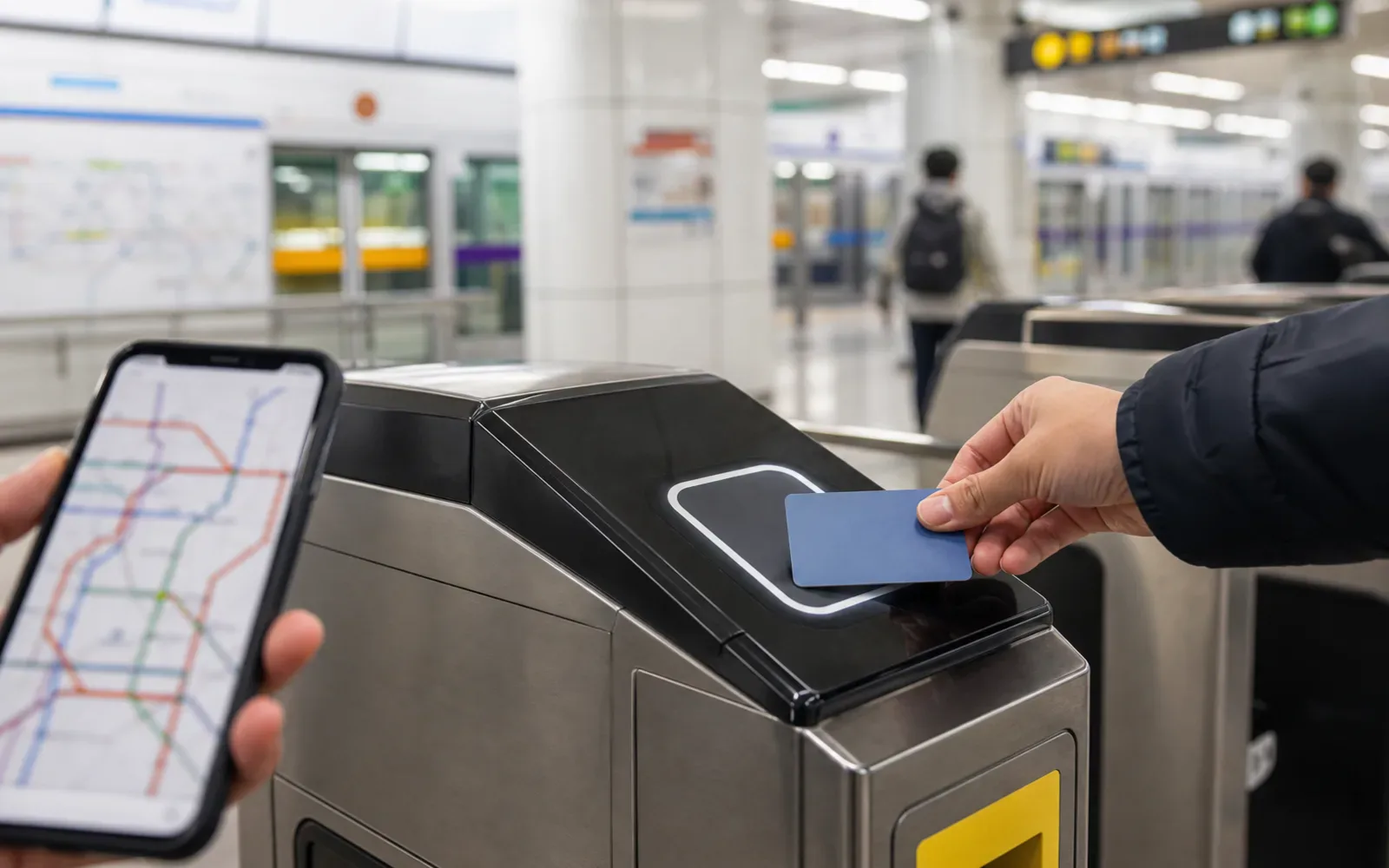
T-money is the easiest way to ride most buses and subways in Korea. Buy a card at a convenience store or subway station, add cash value, and tap it when you enter and leave transit gates.
For most visitors, it is worth getting on the first day. It saves time at ticket machines, works across Seoul and many other cities, and keeps small transit payments from becoming a daily hassle.
Where to Buy It
Look for convenience stores inside airports, near subway stations, or around busy neighborhoods. You can also find transit cards at many subway ticket areas. Designs vary, but the function is usually the same: load value, tap in, tap out.
If you arrive late, buy it the next morning near your hotel rather than searching too long at the airport. A single-journey ticket can cover the first ride if needed.
How to Top It Up
Many visitors top up at subway machines because the screen flow is predictable and the machines are easy to find. Convenience stores are also useful, especially when you are already buying water, snacks, or a quick meal.
Keep a small amount of cash available. Some top-up points may not support foreign cards for transit reloads, and this is one of the few moments in Korea where cash still makes the day easier.
Mistakes Visitors Make
Do not forget to tap out. On the subway it is obvious because gates require it, but on buses it is easy to miss when the bus is crowded. Tapping out helps calculate the correct fare and transfer.
Do not load too much money on the first day. Start with a modest amount, then add more once you understand your travel rhythm.
The Simple Way to Handle It
This guide is for visitors on their first transit day. It makes the everyday side of Korea feel smoother. The goal is not to learn every rule at once. It is to know the small step that prevents a normal situation from becoming stressful.
The practical anchor is a transit card setup that makes buses and subways smoother from the first day. Once that is clear, the rest becomes easier: where it usually comes up, what to prepare, and what to do if the first option does not work.
- Best timing: arrival day, the first subway ride, or before a bus-heavy itinerary.
- Cost note: Card plus transit value.
- Useful for: First transit day.
Where It Usually Comes Up
In daily travel, this comes up around Korea routes, stations, cafes, stores, restaurants, hotels, and weather-dependent plans. You do not need to solve everything in advance, but you do need a clear first move.
Use this route idea: buy the card near a station or convenience store, add modest value, and test it on an easy ride. It turns the topic into a small habit instead of a last-minute problem. That is especially helpful when you are tired, carrying bags, or trying to make a timed booking.
What First-Time Visitors Miss
The common miss is loading too much value before you know your travel rhythm. It happens because Korea often looks highly convenient from the outside, and it is, but convenience still depends on details like payment method, station exit, language setting, queue flow, or weather.
Give yourself a short pause before acting. Check the sign, watch the local flow, and confirm the next step before you commit. Thirty seconds of attention can save a wrong platform, a failed payment, or a long walk with bags.
What to Prepare Before Leaving
Before leaving, check cash for top-up, tap-in and tap-out rules, remaining balance, and transfer timing. These are small details, but they decide whether the day feels smooth once you are away from Wi-Fi, hotel staff, or a quiet place to translate information.
Also save key addresses offline when the day depends on them. A charged phone, a small cash reserve, and one backup route solve more travel problems than a complicated plan with no margin.
- Save the address and nearest station before you start moving.
- Keep one backup option in the same district.
- Do not wait until the last minute to solve battery, cash, or weather issues.
Troubleshooting
If the first option fails, use a backup that is close and realistic. Use a single-journey ticket for one ride if you cannot buy or top up right away. The best backup is not dramatic. It is easy to switch to without starting the day over.
When something feels confusing, step out of the line or walking flow before using your phone. It is calmer for you and more considerate for everyone around you, especially in stations, convenience stores, and busy cafes.
Small Habits That Make Korea Easier
Keep your transit card, phone, and small essentials in the same pocket every day. Check the weather before long transfers. Look for the station exit number. Save places before going underground. These habits are simple, but they make the city feel much easier.
For this guide, the habit to remember is tied to a transit card setup that makes buses and subways smoother from the first day. Build that into the way you move through the day, and the rest of the plan becomes less fragile.
How to Use This When You Are Already Out
Use this article as a planning tool, not as a rigid script. Start with the reason you opened it: a transit card setup that makes buses and subways smoother from the first day. Then decide whether the day you have in Korea actually supports that plan. Time, weather, bags, group size, and hunger matter more than a perfect-looking itinerary.
If you are deciding between several options, choose the one that keeps the next step simple. For this topic, that means following this route idea: buy the card near a station or convenience store, add modest value, and test it on an easy ride. The more naturally it connects with your hotel, meal plan, and evening route, the more likely it is to feel useful in real life.
- Use it when: arrival day, the first subway ride, or before a bus-heavy itinerary.
- Check first: cash for top-up, tap-in and tap-out rules, remaining balance, and transfer timing.
- Backup plan: Use a single-journey ticket for one ride if you cannot buy or top up right away.
If You Need the Simple Version
When time is tight, reduce the plan instead of rushing it. For visitors on their first transit day, the useful version is the one that solves the main need without adding a fragile detour.
Handle the main task first, confirm the detail that can change, and keep one backup within Korea. Do not spend half the available time crossing the city for a small improvement.
How to Use Extra Time Along the Same Route
With extra time, add depth rather than distance. Stay on the same route, sit down for a proper break, compare a second nearby option, or add a quiet stop before moving on. This makes the day feel more local and less like a checklist.
For this guide, extra time is best spent close to the same backup plan. Use a single-journey ticket for one ride if you cannot buy or top up right away. That kind of nearby add-on keeps the plan flexible and gives you a softer landing if the main stop is busier, shorter, or more tiring than expected.
When This Tip Matters Most
A plan fits when the cost, route, and effort all feel proportional. Cost note: the starting cost is the card plus the transit value you load. The area is Korea, and the best fit is visitors on their first transit day. If those three details match your day, the guide is probably worth keeping.
A plan does not fit when you are forcing it around the problem it should be solving. If the main risk is loading too much value before you know your travel rhythm, and your current day makes that risk likely, choose the backup instead. Korea is easier to enjoy when you let plans breathe.
Official Pages to Keep Open
Use KoriPicks for the practical route and decision-making, then use these official pages for the final check on dates, prices, access, tickets, transport, or closures.
Good Guides to Pair With This
These guides connect naturally with the same route, budget, timing, or first-time visitor questions, so they are useful when you are building a full day instead of reading one page in isolation.
Questions Visitors Usually Ask
Is this local tips guide worth planning around today?
Yes, if the main goal matches your day: a transit card setup that makes buses and subways smoother from the first day. It is less useful when it creates extra transfers, unclear timing, or pressure to rush through a plan that should feel simple.
What should I check before leaving?
Check cash for top-up, tap-in and tap-out rules, remaining balance, and transfer timing. If any of those details are unclear, treat the plan as flexible and keep one nearby option ready before you start moving.
What is a good backup if the plan changes?
Use a single-journey ticket for one ride if you cannot buy or top up right away. A backup works best when it stays in the same district or on the same subway line, because switching plans should not require starting the day over.