
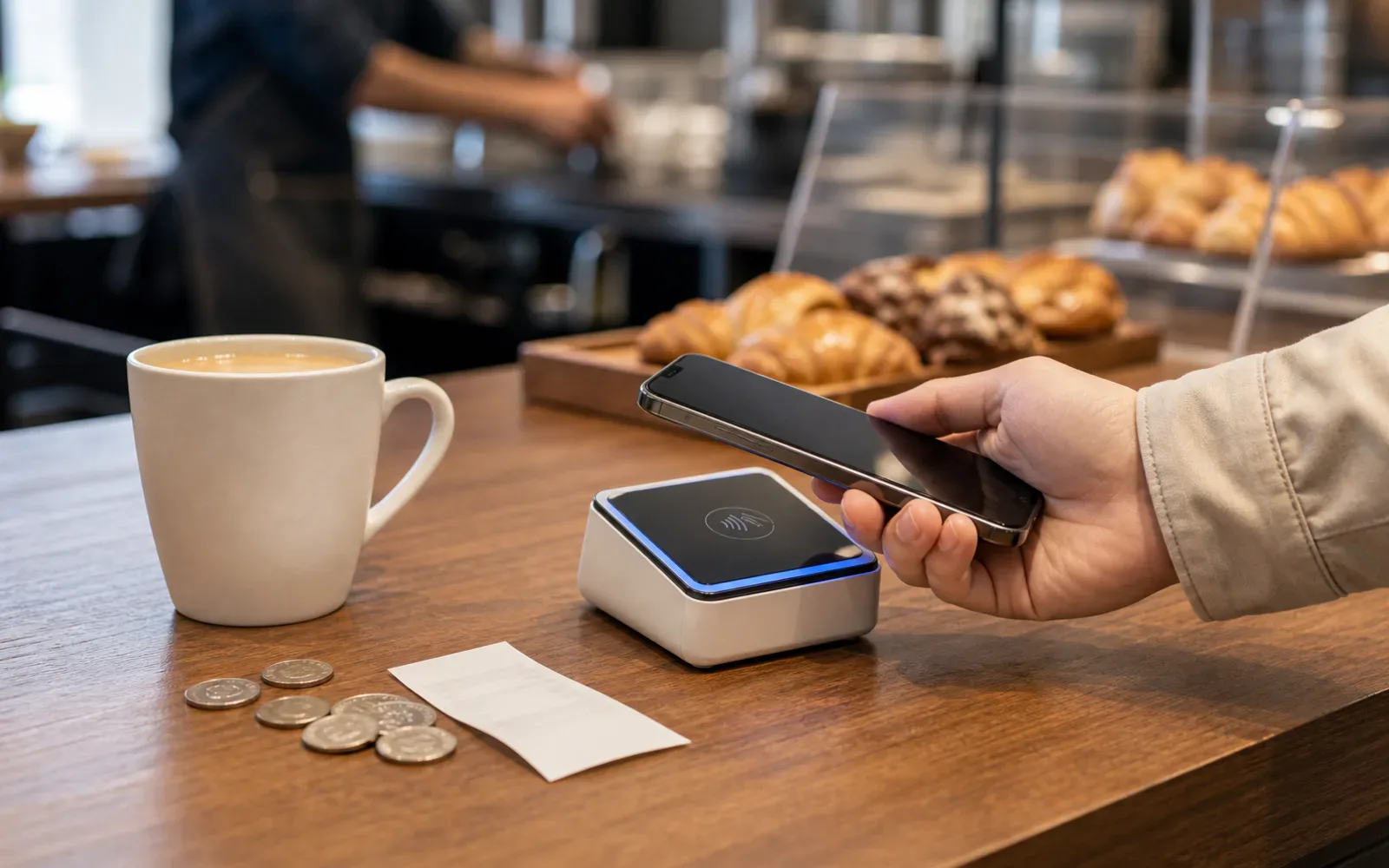
Payment information checked July 27, 2026. International credit cards work at many Korean hotels, restaurants and stores, but a visitor should still carry a second card and some Korean won. Small markets, street vendors, unattended machines and online reservations are the most common places where a foreign card can fail.
A resilient three-part setup
- Primary card: a widely accepted international credit card enabled for overseas use.
- Backup card: stored separately and preferably from another network or issuer.
- Small cash reserve: for cash-only merchants, top-ups or a card-system failure.
Seoul’s official visitor guidance says credit cards are accepted at most stores, restaurants and hotels and names Visa, Mastercard and American Express among common networks. Korea Tourism Organization likewise notes wide card acceptance while warning that some markets and street shops require cash.
Why a valid foreign card can still fail
- The card is not enabled for overseas or magnetic-stripe fallback transactions.
- An unattended kiosk accepts only domestic card authentication.
- The merchant terminal requests a PIN the traveler does not know.
- The issuer blocks an unfamiliar transaction.
- Dynamic currency conversion is offered and the screen is misunderstood.
Contact the issuer before travel, know the card PIN, and keep the bank’s in-app verification available. If a terminal offers payment in your home currency or Korean won, compare the rate and fees; the home-currency option can include a merchant conversion margin.
Transit is its own payment decision
Ordinary subway and bus travel is easiest with T-money or another accepted transit card. Do not assume tapping a foreign bank card at a retail terminal means it works at a transit gate. Seoul announced a useful exception in March 2026: new ticket machines at 273 stations on Lines 1–8 accept international Visa and Mastercard cards for products including single-journey tickets and short-term Climate Card charging. The city reported an average foreign-card fee of about 3.7 percent. This does not mean every machine or gate accepts foreign cards.
See the T-money guide for tapping and balance rules, or the pass comparison for Climate Card prices.
Cash and ATMs
Use bank or clearly branded global ATMs and read all fees before confirming. Your home bank may add a separate withdrawal or foreign-exchange charge. Decline assistance from strangers and shield the keypad. Exchange counters should show the rate and any commission; count cash before leaving.
Online bookings
| Problem | Likely cause | Next step |
|---|---|---|
| Foreign card rejected | Domestic payment gateway | Look for the official global booking page |
| SMS never arrives | Korean phone verification required | Ask for official walk-in or international method |
| Name mismatch | Ticket tied to passport identity | Use the passport spelling exactly |
| Price changes at checkout | Currency conversion or fee | Review currency and total before paying |
Do not transfer money to an unknown individual who claims to bypass a domestic booking system. Use an authorized international seller or choose an alternative that accepts visitors directly.
At restaurants and shops
Payment often happens at the front counter. Hand the card over or insert/tap as directed. Tipping is not a routine requirement. Keep the receipt for refunds and tax-refund processing; not every merchant or purchase qualifies. For tax refunds, follow the merchant and airport’s official process rather than assuming a card receipt is enough.
Before departure
- Tell issuers about travel if their policy recommends it.
- Check foreign transaction, cash-advance and ATM fees.
- Store issuer contact numbers separately from the wallet.
- Enable transaction notifications.
- Carry enough cash for one meal and a transport fallback, not the whole trip budget.
Official sources
- Seoul Metropolitan Government: currency exchange and card use
- VisitKorea: currency information
- VisitKorea: shopping and payment guidance
- Seoul: international cards at new transit ticket machines
Financial-information boundary: Exchange rates and bank fees vary. KoriPicks does not provide a rate forecast or receive payment from card issuers.