
The War Memorial of Korea is both a museum and a place of commemoration. A first visit works best when those purposes guide the order: understand part of the historical narrative indoors, spend a quiet moment in a commemorative space, and examine the outdoor equipment only if it adds something to the subject you chose. Starting with the largest aircraft can reverse that relationship and leave little energy for the people and events the museum interprets.
Choose an operating day before planning the journey to Yongsan. The museum’s own current timetable ends earlier than some tourism summaries suggest. Its public displays, memorial spaces, temporary exhibitions and separately booked activities also have different functions; an open site is not a promise that every experience is available.
The current admission window
The operator’s visitor information gives 09:30–17:40, with last admission at 17:00. Ordinary museum galleries are free, while rented exhibitions can charge separately. Monday is the regular closing day; when Monday falls within a holiday sequence, the closure moves to the day after that sequence. January 1, Seollal day and Chuseok day are also listed closures. Use the museum’s current notices for a holiday week.
Some tourism pages retain an 18:00 closing time. The 17:40 operator timetable is the more useful planning reference checked for this guide. In practical terms, arriving shortly before 17:00 is an entry opportunity, not enough time for a full museum visit. If the galleries matter, give them the earlier part of the outing and place the optional outdoor section afterward only while access remains permitted.
| Part | Useful purpose | Planning consequence |
|---|---|---|
| Korean War galleries | Build a sequence of events and examine the evidence used to explain them | Protect your attention and indoor time first |
| Memorial Hall | Consider remembrance and sacrifice through a commemorative space | Allow a quiet pause rather than a quick photo circuit |
| Outdoor equipment | Understand the scale and purpose of selected objects | Use labels; do not assume every displayed vehicle belongs to the same war |
| Temporary exhibition or activity | Explore a narrower subject or a programmed experience | Read its own date, admission and booking conditions |
Arrive at the museum, not only at Samgakji
The address is 29 Itaewon-ro, Yongsan-gu. The museum’s directions page identifies Samgakji Station Exit 12 and Exit 1 as approaches, as well as Namyeong Station Exit 1. Those exit references are useful for orientation; a traveler needing an elevator should check the complete step-free route instead of assuming a numbered stair exit meets that requirement.
Save 전쟁기념관 and the entrance separately from a nearby restaurant. Once on the grounds, take the visitor map before choosing a gallery. The size of the complex makes it easy to spend the first half-hour circling attractive exterior objects without reaching the historical section you intended to study.
A first visit need not include another major Yongsan museum. The National Museum of Korea route addresses a different collection and is better treated as a separate substantial visit when attention is limited. Sharing a district does not make two large museums a light afternoon.
Give the Korean War galleries one central question
The museum’s permanent-exhibition navigation separates Korean War Rooms I, II and III, the last identified with the United Nations, from broader war history, military development, donated collections and other subjects. That division helps you avoid interpreting every room as one continuous account of the same conflict.
For an introductory visit, follow the Korean War sequence and ask how the exhibition connects military events with civilian experience and international involvement. Look at the dates and locations attached to a map, photograph or object before moving to the next display. A striking artifact becomes more informative when you can place it within that sequence.
Choose two or three objects to examine closely. For each, identify what it is, when it was used, whose experience it represents, and whether the label describes an original object, a reconstruction or an interpretive model. The point is not to accumulate military terminology; it is to understand how material evidence supports the museum’s account.
When accounts involve several countries, retain the distinction between participation, command, relief and remembrance rather than reducing them to one list of flags. If a particular family or national connection brought you here, let that question determine where you spend longer, without expecting one gallery to resolve the whole history.
The Memorial Hall asks for a change of pace
The operator locates the Memorial Hall off the second-floor central hall. Its description explains a commemorative arrangement using water, light, stone and bronze. This is a space to notice how the institution represents remembrance, rather than another room to scan for the largest object.
Pause before speaking or taking a photograph. Keep companions together without blocking the passage and give other visitors room for private reflection. For children, explain the purpose in simple terms before entering: this part remembers people who died, so the group will lower its voices and move carefully.
A visitor who finds the subject emotionally demanding can shorten the remaining program. There is no obligation to complete every room. Choosing to read a small number of accounts attentively is more considerate than treating distressing material as an endurance challenge.
Use the outdoor display as a comparison
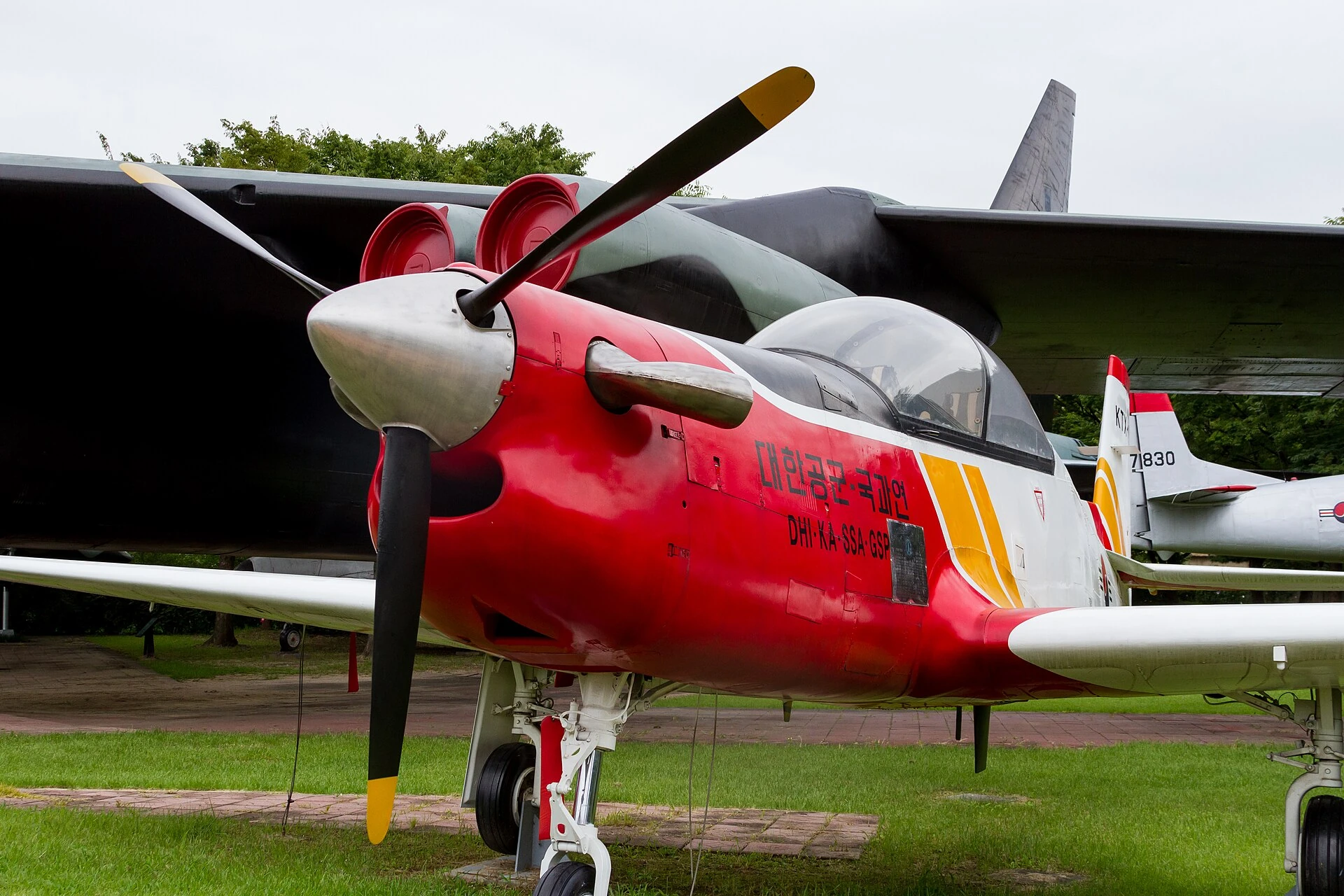
After the galleries, select a few outdoor objects whose function you now understand. Compare how their size, crew arrangement or intended environment relates to the historical information you read. Follow the labels rather than assigning every aircraft or armored vehicle to the Korean War by appearance.
Remain within permitted visitor areas. A large object inviting a closer look does not establish permission to climb on it, touch components or enter an opening. The operator prohibits bicycles, scooters, inline skates and skateboards in the outdoor exhibition area. This is exhibition space, not a general riding plaza.
In persistent rain or uncomfortable heat, the outdoor part can be omitted without weakening an indoor history visit. Conversely, an exterior-only stop does not substitute for the explanatory context in the museum. Make that choice consciously, particularly when traveling with someone whose main interest is the history rather than equipment.
Photography, food and a sensible ending
The museum’s visitor rules prohibit flash, tripods, selfie sticks and commercial-purpose photography, and prohibit food in exhibition spaces. Keep phones quiet and follow any additional notice around a particular work. If you need an image to remember a label, first check that photography is permitted there and avoid placing other visitors in a close frame.
Finish by returning to one question from the beginning. Can you explain the difference between the historical galleries, memorial interpretation and equipment display? One short note about an object and its context is a stronger record than many uncaptioned photographs. Then leave time for a seated meal and the actual station connection, rather than adding an unrelated attraction after the museum has used your attention.